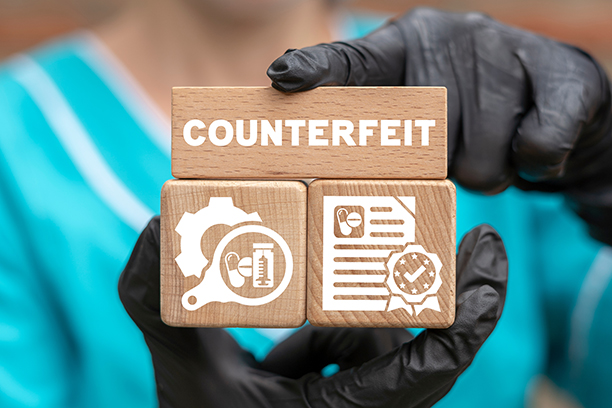
Counterfeit Drugs: How to Spot and Avoid Them
In the world of modern medicine, we rely on pharmaceuticals to cure illnesses, manage chronic conditions, and improve our quality of life. However, a global menace threatens public health: the rise of counterfeit drugs. These are not merely substandard products, they are often dangerous deceptions that can lead to treatment failure, antibiotic resistance, and even death.1-4
This guide breaks down the science of counterfeit medications, how to spot them, and how to ensure the medicine you take is safe.
What Is a Counterfeit Drug?
A counterfeit drug is defined as a medication or pharmaceutical item produced and sold with the intent to deceptively represent its origin, authenticity, or effectiveness.² According to the World Health Organization (WHO), a counterfeit drug is one that is deliberately and fraudulently mislabelled regarding its identity or source.³
These fake medications can appear in various forms:1,2
- No Active Ingredient: The drug may contain inert substances like tap water or saline instead of the medicine.²
- Wrong Active Ingredient: For example, products sold as weight-loss drugs containing completely different substances.²
- Incorrect Quantities: They may contain too much, too little, or no active ingredient at all.¹
- Harmful Contaminants: Some fakes have been found to contain toxic chemicals, such as ethylene glycol (antifreeze) in cough syrup or fentanyl-laced pills.1,2
The Global Scope of the Problem
According to the WHO, around 1 million people die each year because of fake medications. While the U.S. drug supply is among the safest in the world due to a "closed" distribution system, no country is immune.¹ The WHO estimates that approximately 10.5% of medications worldwide are substandard or fake.² In developing countries, it can be around 13% and in underdeveloped countries, this figure can be as high as 50% of medical products.2,4
The types of drugs being counterfeited are vast. While "lifestyle" drugs were historically the primary targets, counterfeiters have expanded into life-saving medicines. This includes antibiotics, antimalarials, and even recent necessities like COVID-19.2,4
A 2004 study revealed that over 53% of artesunate tablets in Southeast Asia lacked any active ingredient, severely undermining the region's battle against malaria.2
In fact, COVID-19 interrupted worldwide supply chains, significantly contributing to a rise in fake medications. In India, Remdesivir was falsified, with vials sometimes containing saline or liquid paracetamol instead of the drug. Authorities also found Dexamethasone was heavily counterfeited, with reports indicating 3.14% to 32.2% of the drug in low- and middle-income countries was of low quality.4
The Dangers of Online Pharmacies
One of the biggest drivers of counterfeit drugs is the rise of unauthorized online pharmacies. The WHO states that approximately 50% of drugs sold via the internet are fake.2,4
A study on "Viagra" purchased from online retailers revealed that 77% of the samples were counterfeit. These fakes often originated from unverified sources and contained only 30–50% of the active ingredient claimed on the label. Alarmingly, many of these websites did not require a prescription or a health check, which is a major red flag for consumers. 2,4
Research in five European countries showed that stimulants (7.6%), opioids (4.1%), and sedatives (2.7%) were often sourced from online pharmacies without a doctor’s oversight.2
How to Spot a Counterfeit Drug
Detecting a fake can be difficult, as counterfeiters use sophisticated printing technologies to mimic packaging.⁴ However, there are vigilant steps you can take to protect yourself.
- Scrutinize the Packaging: Check the medication closely. Does the packaging look different than what you normally receive?¹ Look for discrepancies in the appearance, such as lack of security features like holograms or color-shift inks.²
Examine the medication packaging carefully. Look for "hazy" lettering, flat printing (instead of raised printing), or spelling errors, which are common signs of counterfeits.⁵ Check for missing expiration dates or lot numbers.⁵
- Check Drug Appearance: Pay close attention to the pill's size, shape, texture, and color.⁵ If the medication looks different from your previous prescription, it may be fake.⁵
- Monitor Physical Effects Pay attention to your body's response. Have you experienced a new or unusual side effect after using the drug?¹ If a medication that usually works for you suddenly has side effects, it may be a counterfeit.2,4
Also, be alert to any differences in the taste of the medication compared to what you usually take.⁵ If you notice any discrepancy in the appearance, taste, or effect of the drug, contact your doctor or pharmacist immediately.3-5
- Verify the Source Did you buy the drug from an online pharmacy that did not require a prescription?¹ Consumers and health care providers should only buy from state-licensed pharmacies to ensure they are getting FDA-approved medications.¹
Prevention: What You Can Do
The fight against counterfeit drugs involves everyone, from regulators to end-users.
If you notice any discrepancy in the appearance, taste, or effect of a drug, contact your pharmacist or doctor immediately.² Avoid "shady" online pharmacies and prioritize trusted sources.²
India has also implemented systems using unique identification numbers and 2-D barcodes on primary packs.² You can sometimes verify authenticity by sending the unique code found on the package to the Drug Technical Advisory Board's (DTAB) number via SMS to receive an authentication message.2
Frequently Asked Questions (FAQs)
Q1: Which types of drugs are most commonly counterfeited?
A: While lifestyle drugs are frequently counterfeited, antibiotics and anti-infectives are also major targets. In fact, antibiotics account for a significant share of the global counterfeit market.2,4
Q2: Can counterfeit drugs cause drug resistance?
A: Yes. Counterfeit drugs often contain insufficient active ingredients (sub-therapeutic doses). When patients unknowingly take these subpar doses, it can lead to the survival of bacteria or viruses, contributing to antimicrobial resistance.2,4
Q3: Are "natural" supplements safe from counterfeiting?
A: Not necessarily. There is a profitable market for counterfeit food supplements. Some products claiming to be "natural" have been found to contain illegal pharmaceutical ingredients. Reports suggest that illegal PDE5i are present in many so-called ‘natural supplements.’²
Q4: Is it safe to buy medicine online?
A: It is risky unless you use a certified pharmacy. Surveys suggest that a large percentage of online pharmacies do not adhere to patient safety standards or federal laws.2,4 Always use state-licensed pharmacies to ensure safety.¹
Conclusion
Counterfeit drugs are a menace to society that turns life-saving medicines into potential poisons.² While regulatory bodies and pharmaceutical companies work to secure the supply chain with technologies like serialization and blockchain, consumers must remain vigilant.⁴ By sourcing medications from licensed pharmacies and reporting suspicious products, we can work together to avoid the dangers of fake medicine.
References
- Counterfeit Medicine. U.S. Food and Drug Administration; 2026.
- Pathak R, Gaur V, Sankrityayan H, Gogtay J. Tackling Counterfeit Drugs: The Challenges and Possibilities. Pharmaceut Med. 2023;37(4):1-10.
- Nagaraj A, Tambi S, Biswas G, et al. Counterfeit medication: Perception of doctors and medical wholesale distributors in western India. J Int Soc Prev Community Dent. 2015;5(Suppl 1):S7-S11.
- Khangan VR, Tiple RH. The Challenge of Counterfeit Drugs in Indian Market: A Comprehensive Review. Indian J Pharmacy Practice. 2025;18(4):352-361.
- American Academy of Family Physicians. Counterfeit Drugs. Fam Pract Manag. 2007;14(3):36. Available at: https://www.aafp.org/pubs/fpm/issues/2007/0300/p36.html. Accessed January 21, 2026
Note:
This information is provided for educational purposes only and is not a substitute for professional medical advice. Lokelma should only be taken under the guidance of a qualified healthcare provider. Patients should always consult their doctor or pharmacist for advice on diagnosis, treatment, and medication use, and should not make changes to their prescribed therapy without medical supervision.
Disclaimer:
Rx4U procures prescribed medicines directly from manufacturers or authorized distributors. It does not claim ownership of any trademarks and complies with the provisions of the Trademark Act, 1999, particularly Sections 30 and 30(1) concerning ‘Fair Use’. It solely facilitates access to new launches through named patient import.