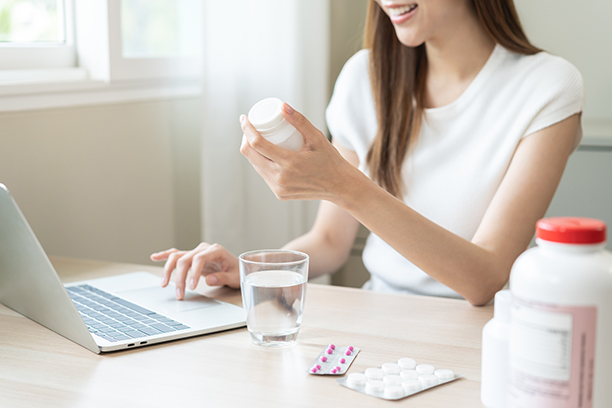
How to Verify the Authenticity of Imported Medicines at Home
Ensuring the authenticity of imported medicines is critical for your health. Substandard and falsified medical products are unsafe and can be made with the wrong dose, no dose, or even toxic ingredients. Counterfeit medicines are usually packaged to look like the real thing, making them difficult to spot. While sophisticated laboratory testing is the only definitive way to confirm a drug's authenticity, there are several steps you can take at home to verify your medication.1
1. Evaluate the Source
The first step in verification happens before you even open the package, a.k.a. during purchasing. To minimize the risk of receiving falsified products:
- Buy from trusted sources: Only purchase medicines from licensed outlets, such as pharmacies, clinics, hospitals, or doctors.²
- Avoid unregistered websites: Be wary of online suppliers that conceal their physical address or landline telephone number, as they are frequently sources of substandard products.²
- Check for verification: Look for a verification logo or certificate on the website and check it for authenticity. ²
2. Inspect the Packaging Carefully
Falsified drugs are often packaged to look like the real thing, but visual inspection can often reveal subtle defects.3
- Condition and Quality: Examine the packaging for poor condition, poor-quality printing, or spelling and grammatical errors.1-3
- Dates and Batch Numbers: Check the manufacturing and expiry dates. Ensure that the details on the outer packaging (secondary packaging) match the dates and batch numbers shown on the inner packaging (primary packaging).²
- Security Seals: If security seals are present, check that they are intact and show no signs of tampering.²
3. Examine the Medicine
Once you open the package, check the physical properties of the drug itself.
- Appearance: Ensure the medicine looks correct. It should not be discoloured, degraded, or have an unusual smell.²
- Consistency: Tablets that are cracked or falling apart may indicate poor manufacturing practices.3
- Comparison: If you have the original medication, compare the new batch to the old one. Counterfeit drugs may differ in size, shape, or color.1,3
4. Utilize Digital Verification Tools
Many manufacturers and regulators now use technology to help consumers verify authenticity.
- Bar Codes and QR Codes: Check the label for a Bar Code or Quick Response (QR) Code. Scanning these with a mobile phone can help verify product authenticity by revealing details like the unique product identification code, batch number, and manufacturing license number.1,4
- Holograms and Scratch-off Labels: Some packaging includes holograms or scratch-off labels with reactive ink to distinguish genuine products.3
5. Monitor Effectiveness
- Adverse Reactions: If you suspect the medicine is not working properly or if you suffer an adverse reaction, discuss this with your pharmacist or doctor immediately.²
Frequently Asked Questions (FAQs)
Q1: Can I tell if a drug is fake just by looking at it?
A: Not always. Some falsified medical products are almost visually identical to the genuine product and very difficult to detect. However, checking for spelling errors, packaging defects, and discoloration can help identify many fakes.2,3
Q2: Are medicines bought online safe?
A: Unregulated websites, especially those that hide their address or phone number, are common sources of falsified medicines.² You should beware of websites offering prescription-only medicines without a prescription or offering suspiciously low prices.²
Q3: What should I do if I think I have a fake medicine?
A: You should discuss your suspicion with a pharmacist, doctor, or other healthcare professional. You should also report your suspicion to your National Medicines Regulatory Authority.²
Q4: Is it safer to get medicines from high-income countries?
A: Generally, yes. Studies show that while 9%–41% of medicines sold in low- and middle-income countries are counterfeit, less than 1% of medicines sold in high-income countries (like the United States) are counterfeit.1
Conclusion
Verifying imported medicines requires vigilance. While consumers cannot perform advanced chemical analysis at home, simple visual inspections of packaging, checking for physical defects in the tablet, and using digital tracking tools like QR codes can significantly reduce the risk. Always source your medications from licensed pharmacies and consult a professional if the drug looks or feels "off".1-4
References
- Counterfeit Medicines. Centers for Disease Control and Prevention (CDC), Travelers' Health; 2022.
- Substandard and Falsified Medical Products: Advice to Patients and Consumers. World Health Organization; 2019.
- Buckley GJ, Gostin LO, eds. Detection Technology. In: Countering the Problem of Falsified and Substandard Drugs. National Academies Press (US); 2013.
- Guidance for Identification and Verification of Spurious Drugs. Central Drugs Standard Control Organisation; 2023.
Note:
This information is provided for educational purposes only and is not a substitute for professional medical advice. Lokelma should only be taken under the guidance of a qualified healthcare provider. Patients should always consult their doctor or pharmacist for advice on diagnosis, treatment, and medication use, and should not make changes to their prescribed therapy without medical supervision.
Disclaimer:
Rx4U procures prescribed medicines directly from manufacturers or authorized distributors. It does not claim ownership of any trademarks and complies with the provisions of the Trademark Act, 1999, particularly Sections 30 and 30(1) concerning ‘Fair Use’. It solely facilitates access to new launches through named patient import.